From Washed Hoodies to Mesh Jerseys: Which Streetwear Categories Actually Fit Dongguan OEM Best?
Streetwear sourcing gets messy the moment a clean sketch has to survive real production. A washed boxy hoodie is not just a hoodie. A cropped football jersey is not just another knit top. And a pair of stacked sweats can go left fast when the factory understands sewing, but not silhouette, fabric behavior, print balance, or how the piece is supposed to feel on body.
That is why the better question is not simply whether Dongguan can make streetwear. It can. The real question is which categories actually line up with Dongguan OEM production in a smart way, and which ones need more caution before a brand team signs off. For US, UK, and EU streetwear brands sourcing in China, that difference matters because the wrong factory-region fit usually does not show up in the moodboard. It shows up later in the hood shape, the wash result, the handfeel, the rib recovery, the trim swap, or the moment a strong sample turns into a weaker bulk run.
Dongguan is not just a generic China manufacturing tag. Humen, one of its best-known apparel zones, has been built around garment production for decades, and more recent official coverage still frames the broader Dongguan-Humen ecosystem as a major textile and apparel base tied to fashion fairs, design resources, testing support, and industry upgrading . Humen’s cluster reporting also points to public-service infrastructure such as design and R&D support, fabric resources, e-commerce platforms, and testing capacity, which is exactly the kind of surrounding system that helps streetwear development move with fewer blind spots . That matters for streetwear because categories with more moving parts usually perform better in places where development, trims, wash work, graphics, and production communication live close to each other.
Before going category by category, here is the short version.
Which streetwear categories make the most sense for Dongguan OEM right now?
The categories that usually make the most sense for Dongguan OEM are heavyweight tees, hoodies, sweatshirts, sweatpants, coordinated fleece sets, washed graphic styles, sportswear-inspired jerseys, and selected cut-and-sew outerwear. They fit the region best when the product depends on strong trim sourcing, wash development, print execution, and silhouette control rather than basic sewing alone.
If a brand team is building a streetwear line around heavyweight cotton, brushed fleece, screen print, embroidery, appliqué, garment wash, distressing, or oversized fit work, Dongguan is usually a serious option. The reason is not magic. It is workflow density. Streetwear categories that need repeated sampling, fabric swaps, trim testing, and finishing decisions tend to benefit from a region where pattern rooms, sewing lines, print support, washing partners, accessory sourcing, and inspection habits sit closer together.
That is also why the answer is not “all streetwear.” Dongguan is strongest when the garment still lives in the world of cut-and-sew streetwear, even if it is visually loud. Once a product moves far into technical mountaineering outerwear, luxury suiting, or highly engineered sports performance apparel, the category fit gets narrower and the factory shortlist needs a different lens.
For established streetwear brands, the useful way to think about Dongguan is not city first, product second. It is the other way around. Start with the category, then match the city. If the product needs heavy fabric, graphic impact, washed surface, rib structure, trim depth, or layered decoration, Dongguan often moves up the list fast.
Why do heavyweight tees, hoodies, and sweat sets land so well in Dongguan?
Heavyweight tees, hoodies, and full sweat sets fit Dongguan well because these categories depend on the exact mix the region often handles best: fabric sourcing, pattern shaping, rib and trim coordination, graphic execution, and finish control. In streetwear, that combination matters more than whether a factory can simply assemble a basic knit garment.
This is the heart of modern streetwear production. A 260gsm tee, a 400gsm brushed hoodie, or a boxy sweatshirt with a dropped shoulder can look easy on rack, but the product logic is layered. The fabric has to hold shape without turning stiff. The neck rib has to recover without choking the silhouette. The body needs width in the right place, not just more centimeters everywhere. The graphic has to sit where the garment actually breaks once worn, not where it looked centered in a flat mockup.
Dongguan tends to make sense here because these are categories where many small decisions stack up. During development, a strong factory will usually move through tech pack review, pattern shaping, fabric and rib sourcing, print strike-offs, wash testing if needed, fit comments, pre-production review, bulk cutting, sewing, finishing, and inspection with real feedback at each step. When that system works, the garment still feels like the original idea by the time it ships.
What usually goes wrong when the factory is too general?
The most common failure is that the product gets translated into generic casualwear. The tee loses its body. The hoodie gets longer instead of boxier. The hood looks flat from the side. The rib turns weak after wash. The sweatpant drape gets ruined because the fabric weight changed, the brushing is different, or the waistband construction was simplified. None of those mistakes sound dramatic on paper, but together they make the product read less like streetwear and more like ordinary fleece.
This is also where a specialized streetwear clothing manufacturer has an edge over a general knit factory. Streetwear fleece is not only about sewing skill. It is about reading proportion, handfeel, shrink behavior, print layering, and how a heavier fabric changes posture once the garment is worn.
When do washed, faded, and distressed styles become a smart Dongguan play?
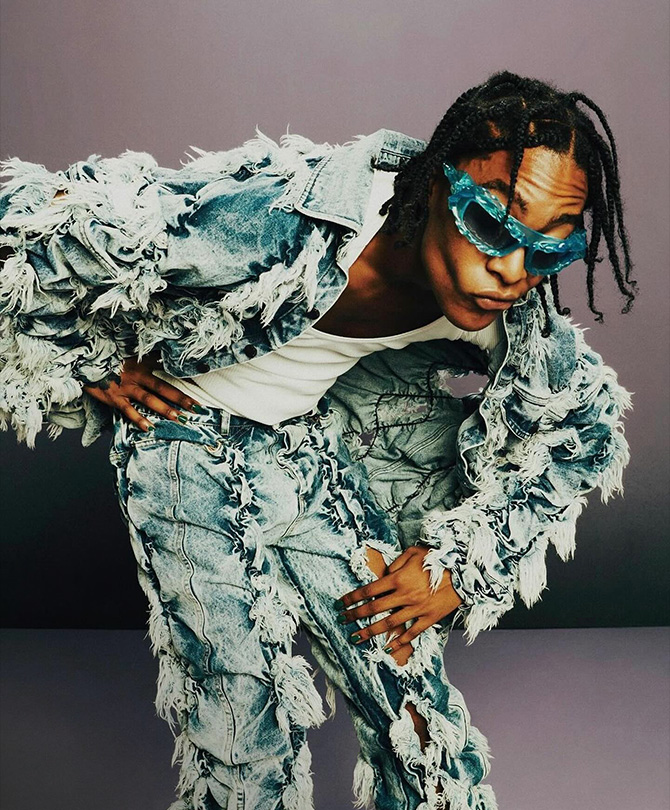
Washed, faded, and distressed streetwear becomes a smart Dongguan play when the factory is already set up for finish-heavy development, not when wash is treated like a last-minute decoration. Pigment dye, enzyme wash, fading, crack print, and destroyed detailing all work better when the region can support repeated testing before production moves forward.
This is where a lot of brands misread the category. They see a vintage tee, a faded zip hoodie, or a distressed pair of sweat shorts and think the hero element is visual. In production, the hero element is control. A good-looking wash has to survive fabric variation, shrinkage, seam behavior, print adhesion, and tone drift. If the order of operations is wrong, the result can look either too clean or accidentally flat.
Dongguan is often a better fit for these categories than people expect because finish-heavy streetwear usually needs more than one specialist touch. The fabric may need pre-treatment. The print may need to crack in a controlled way rather than break randomly. The distress points need to feel intentional instead of costume-like. The final handfeel has to match the brand’s world. If the factory and its local network can test wash cards, placement, abrasion level, and garment response early, the category becomes much safer.
Why is finish order such a big deal here?
Because technique stacking changes everything. A hoodie with puff print, enzyme wash, and slight edge destruction cannot be handled the same way as a clean fleece pullover. A tee with discharge-style softness and faded surface may need a different print decision than the original artwork suggested. A denim short with distressing plus patchwork plus heavy wash can drift off spec quickly if one process is rushed.
That is why finish-driven products are often where brands start looking beyond general factories and toward a more specialized manufacturer for custom streetwear. The real value is not that the factory says yes to acid wash or distressing. The value is whether it knows what those choices will do to color, shrinkage, seam tension, texture, and graphic outcome before bulk starts.
Are jersey, track, and sportswear-inspired drops a good match for Dongguan OEM teams?
Yes, jersey, track, and sportswear-inspired streetwear can be a very good match for Dongguan OEM teams, especially when the product is cut-and-sew, trim-led, graphic, or panel-heavy rather than purely performance-driven. These categories reward factories that can balance mesh, rib, appliqué, piping, embroidery, prints, and coordinated set construction in one workflow.
This matters because sportswear-inspired streetwear is not the same thing as technical performance apparel. A cropped football jersey with contrast sleeves, a mesh panel top with tackle-twill style decoration, or a track jacket with piping and embroidery sits much closer to fashion-driven OEM than to elite athleticwear engineering. That kind of product asks for clean panel execution, matching trims, stable decoration placement, and a feel that still lands in streetwear rather than teamwear.
Dongguan usually fits that lane well. The region’s manufacturing depth helps when a brand wants a jersey that looks sharp enough for close-up content, a track pant that hangs with the right attitude, or a coordinated set where the top and bottom still feel like one story. Mesh weight, lining choices, zipper tape, stripe application, label placement, and color balance all matter more than people first think.
Still, this category comes with its own traps. Mesh can be too transparent. Rib can be too sporty in the wrong way. Appliqué can start lifting if it is not ordered correctly in the decoration sequence. A track set can fall apart visually if the jacket and pant fabrics catch light differently. The product only works when the factory understands that streetwear sports references are usually about shape and mood, not only function.
Which categories need more caution, even if a Dongguan factory says yes?
The categories that need more caution are fashion denim with heavy wash complexity, varsity jackets with lots of trim and patch layering, structured outerwear, knit sweaters, and highly technical performance pieces. Dongguan can still work for some of them, but only if the factory has a real category-specific line rather than a broad “we can do everything” sales answer.
This is where brands get into trouble. Dongguan is strong, but it is not one single factory profile. Some OEM teams are excellent on heavyweight fleece and washed tees, then weak on denim hardware logic. Some can build a clean varsity shell but struggle when chenille patches, sleeve material, rib weight, snap quality, and lining decisions all need to land together. Some say yes to technical jackets when what they really mean is they can sew a basic shell.
Denim is the classic example. If the streetwear program is built around straight-leg, baggy, stacked, or distressed denim, the city can absolutely be worth considering. But the brand team has to check wash development, pocket balance, hardware sourcing, abrasion control, leg twist, rise fit, and how the garment sits after repeated finishing. Without that, the jeans may look fine laid flat and wrong once worn.
The same logic applies to varsity jackets and statement outerwear. These are not impossible categories for Dongguan. They are just less forgiving. Patch placement, sleeve-body contrast, lining feel, snap strength, rib density, and trim sourcing all have to show up at the same quality level. If the factory is not built for that depth, the product starts reading like costume rather than premium streetwear.
For procurement teams comparing China-based options, it helps to review this breakdown of Chinese alongside actual category needs. The point is not to find one “best” factory in the abstract. It is to separate streetwear-focused production teams from general apparel plants before development money gets burned in the wrong lane.
What should procurement teams verify before committing a Dongguan OEM partner to a streetwear line?
Procurement teams should verify category proof, fit understanding, wash and decoration sequencing, trim sourcing discipline, pre-production communication, and bulk-readiness controls before committing a The best factories for streetwear do not just show pretty samples. They ask sharper questions, flag weak points early, and explain how the garment will hold up once the order gets real.
A strong evaluation process starts with one simple rule: ask for evidence by category, not by mood. If you are placing heavyweight graphic tees, ask to see heavyweight tees. If you are placing washed zip hoodies, ask how they test wash response, print durability, and shrink behavior before bulk. If you are placing a track set, ask how they keep both pieces aligned in color, trim, and fit. Streetwear products fail when brand teams accept generic capability language instead of category proof.
The next thing to verify is how the factory thinks through development. Do they question the intended fit, or do they just copy the measurements? Do they raise concerns about rib tension, zipper choice, graphics over seams, or fabric reaction after wash? Do they explain what might shift between sample and bulk, or do they stay quiet until the problem is expensive? In streetwear, the best clothing manufacturers often reveal themselves by how they challenge the brief, not how quickly they say yes.
This is also the stage where some brands start looking at a more custom clothing manufacturer for established streetwear brands rather than a factory that mainly handles general apparel. Among China-based teams often referenced for heavyweight fabrics and finish-heavy development, is one example. But the broader lesson stays the same: do not source Dongguan by city reputation alone. Source it by category match, process depth, and how well the team understands the product language you are trying to protect.
So where does Dongguan OEM actually win for streetwear brands?
Dongguan OEM wins when the streetwear category needs development depth, trim access, wash support, graphic execution, and a factory that understands product shape, not just construction. It is especially strong for heavyweight knitwear, fleece programs, washed graphics, coordinated sets, and sportswear-inspired cut-and-sew pieces, while more technical or structure-heavy categories still need tighter factory selection.
That is the real takeaway. Dongguan is not the answer because it is famous. It is the answer when the product brief lines up with what the region does well. For streetwear, that usually means garments with stronger material presence, more finish detail, more trim interaction, and a bigger gap between “easy to sketch” and “hard to execute.”
The brands that use Dongguan well usually do one thing right: they stop asking whether a factory can make streetwear in general, and start asking which streetwear category that factory is genuinely built for. That shift sounds small, but it changes the whole sourcing outcome. It protects the product, the release calendar, and the brand image at the same time.
The Small Parts That Make or Break the Drop: How Streetwear Brands Should Audit Zippers, Aglets, and Metal Trims Before Bulk
Streetwear has reached a point where the smallest parts carry real weight. A hoodie can have the right wash, the right graphic hit, and the right silhouette, then lose all of its energy the second the zipper drags, the aglet starts flaking, or the metal eyelet stains the fabric after wear. In this category, trims are not background decoration. They help decide whether a piece feels fully resolved or just almost there.
A lot of brand teams find that out later than they want to. On the sample rail, hardware problems can hide behind good styling, good lighting, and low wear time. Then the product moves into fit approval, photo shoots, sales samples, or early customer use, and the weak points start speaking up fast. What looked premium in the first pass suddenly feels unfinished. That is why hardware quality control matters so much in modern streetwear: not because trims are small, but because they are visible, tactile, and tied directly to how a product is judged.
Why does hardware QC hit harder in streetwear than in ordinary apparel?
Because in streetwear, hardware is not just functional trim. It changes how a garment hangs, looks up close, sounds in motion, and ages over time. When that hardware feels off, the issue lands as a design problem and a wear problem at the same time, which makes the whole product feel less thought-through.
That matters more now than it did a few years ago. Product images are closer, social content is more detailed, and buyers spend more time zooming into trim finish, zipper teeth, wash texture, and graphic balance. A plain fleece hoodie can get away with average hardware more easily. A heavyweight zip hoodie with distressing, custom pulls, garment wash, and metal accents cannot. Once the product is positioned as premium or design-led, every trim starts acting like part of the creative direction.
This is also where a lot of general apparel factories lose the plot. They may treat trims as purchasing line items instead of product-defining parts. But in streetwear, the zipper gauge changes the front attitude of the garment. The puller shape affects how the piece reads in hand. The aglet finish can push a hoodie toward sport, luxury, skate, or washed vintage territory. The eyelet color can either sharpen the whole palette or flatten it.
That is why mature product teams do not just ask whether a factory can source a zipper or attach an aglet. They ask whether the team understands what that trim is doing for the silhouette, the handfeel, the visual weight, and the long-term wear story. If the answer is no, the trim may still pass a quick visual check while quietly lowering the whole product standard.
Which zipper checks actually tell you whether a style is bulk-ready?
The zipper checks that matter most are the ones that test stress, movement, and failure points under repeat use. A smooth first pull is not enough. Brands need to know how the chain behaves under tension, how the stops hold, how the slider lock performs, and whether the pull tab attachment stays clean under real handling.
Major fastening manufacturers already frame zipper testing this way. YKK notes that zipper strength evaluation draws on methods based on JIS-S3015 and ASTM D2061, and lists tests such as chain crosswise strength, top-stop holding strength, bottom-stop holding strength, slider lock strength, and slider tab pull-off strength . That is a useful reminder for streetwear teams: a zipper should never be approved on appearance alone.
“There are various methods by which to evaluate zipper strength.” — YKK Americas, Product Testing Methods
In practical streetwear development, three layers of zipper review matter. The first is movement. Does the zipper travel cleanly when the garment is worn, bent, washed, and handled repeatedly? The second is structure. Do the teeth, tape, stops, and slider keep their shape when the front panel is under tension, especially on heavyweight fleece, cropped zip silhouettes, or outerwear with thicker seam build-up? The third is finish. If the zipper is plated, coated, painted, or customized, does that surface keep its look after abrasion, light wear, and laundering?
A smart move is to test zippers inside real prototype garments, not only as loose trims. Bulk problems often show up when the zipper has to work with heavy rib, washed fabric, panel seams, or thicker plackets. A zip hoodie that looks clean on a table can behave very differently once the body twists, the hood weight pulls backward, or the garment goes through wash and dry cycles. The point is simple: if the zipper lives inside a demanding garment, the test has to live there too.
How should brands test aglets and drawstrings before they turn into low-grade details?
Aglets and drawstrings should be tested as visible performance details, not afterthoughts. The key checks are attachment strength, surface durability, fiber wear, laundering behavior, and color match against the full garment. If those details fail, the hoodie does not just age badly; it starts looking underdeveloped.
This is where streetwear product language really shows up. On a washed hoodie, the cord thickness changes how the neck opening frames the face. On a football-inspired fleece or cropped zip style, the aglet finish can tip the mood toward clean metal, vintage wear, or a rougher industrial note. Those are not small styling choices. They help decide whether the product feels intentional.
From a quality-control angle, brands should begin with the obvious mechanical question: does the aglet stay on? Pull tests are basic, but they are not enough by themselves. Teams should also look at whether the metal cracks at the crimp, whether coated finishes chip at the edges, and whether laundering or rubbing creates visible wear faster than expected. Bureau Veritas includes trim testing for zippers, buttons, snaps, elastics, and metal hardware within broader apparel quality programs, which is another sign that trims need to be evaluated inside the same risk framework as the garment itself .
Drawstrings deserve their own discipline too. A cord can pass color review and still disappoint in wear if the yarns start lifting, the surface pills, or the cord loses shape after washing. On premium streetwear, that matters because the drawcord sits in a high-visibility zone. It is often photographed from close range, touched first in retail, and used repeatedly. If the cord looks tired after a short wear window, the whole hoodie starts reading flatter.
Good teams also review aglets and drawcords together, not separately. A heavy metal tip on a weak cord will stress the attachment area. A washed cord paired with a bright plated tip can look mismatched even if both parts are technically acceptable on their own. Streetwear development is full of these “good separately, wrong together” moments. That is why trim QC has to stay connected to the full garment mood, not just the incoming trim carton.
Which metal trims need a real corrosion plan instead of a quick visual pass?
Any metal trim that touches skin, catches moisture, rubs against fabric, or acts as a style focal point needs a proper corrosion and finish review. That usually includes eyelets, buttons, rivets, snaps, zipper parts, cord ends, and decorative hardware, especially on washed, dark-dyed, or outerwear-based styles.
Corrosion is not just a beauty issue. SGS notes that corrosion on apparel and footwear accessories can change the appearance of metal trims, stain nearby fabric, and even affect trim function . The same SGS note points to common corrosion drivers such as temperature, time of wetness, humidity, air pollutants, and electrolytes . In plain terms, that means the metal part does not need dramatic abuse to start telling on the garment. Sweat, washing, damp storage, and urban wear environments can be enough.
“Corrosion will affect the aesthetic properties of a product, may cause staining on the adjacent fabric or material, and may affect the function of the metal trim.” — SGS Safeguards
For streetwear, the highest-risk trims are usually the most visible ones. Think rivets on washed denim, snaps on varsity jackets, eyelets on heavyweight fleece, and metal ornaments on cargo or mixed-media pieces. If those parts pick up discoloration too quickly, the product can drift from “worn-in” to simply worn-out. That difference matters. Good vintage direction feels deliberate. Bad metal aging feels neglected.
A real corrosion plan does not have to be overcomplicated. It just has to be specific. If the garment is enzyme washed, test the trim with that wash. If it is meant for fall outerwear, review the hardware after moisture exposure. If it sits on black fleece or dark denim, check for staining transfer. The point is not to chase perfection. The point is to stop pretending that a visual pass on day one can predict how metal will behave once the product enters actual wear.
Where do hardware failures usually show up between sample approval and bulk production?
Hardware issues rarely start with a dramatic collapse. They usually arrive as small shifts between the approved sample and the production run: a slightly different zipper pull, a plating tone that runs flatter, a cord that feels lighter, or a trim substitute that technically fits but changes the whole read of the garment.
This is why hardware risk is often missed early. Samples are made in smaller numbers, with more attention, and often with whatever trims are easiest to source at that moment. Bulk production brings different pressures: reorder timing, trim availability, plating lot variation, washing interactions, tighter line speed, and setting differences from operator to operator. A hoodie approved with one cord density may ship with another. A clean gunmetal finish may come back slightly warmer. A zipper may come from a different production lot and still pass paperwork while feeling rougher in use.
The factory side of the problem is not always dishonesty. Sometimes it is simple fragmentation. The garment team, trim buyer, sample room, wash unit, and final inspection team may all be working from partial information. If nobody is managing the hardware as part of the product story, each small adjustment feels harmless. Then the full garment lands in bulk and the energy has leaked out of it.
This is also where brand teams need better questions. Not “Can you source this trim?” but “What is the back-up if this exact trim lot is unavailable?” Not “Can you match the sample?” but “How are you checking tone, pull feel, attachment pressure, and wash reaction before bulk lock?” Those questions reveal whether the production team is thinking in garment reality or just ticking boxes.
And when teams compare a recent roundup of , this is one of the sharpest dividing lines to watch: some factories can make the sample look right, while others build trim review into the pre-production system so the bulk piece still carries the same product attitude.
How can sourcing teams build a hardware QC flow that protects the launch instead of slowing it down?
The best hardware QC flow starts early, stays tied to the garment, and creates decision gates before bulk. Brands need trim specs, prototype wear testing, finish checks after wash, pre-production sign-off, and batch tracking during production. Done right, this does not slow the calendar; it prevents late-stage surprises that wreck it.
A strong process begins at trim specification, not after sample approval. That means locking the material type, finish language, dimensions, puller shape, cord thickness, color target, and acceptable wear window. If the brand is building a washed zip hoodie with dark nickel hardware and heavy cotton drawcords, that trim direction should be documented as part of the product intent, not left as a rough visual reference.
Next comes development-stage testing. Bureau Veritas highlights product evaluation at development and pre-production stages as part of apparel quality assurance, alongside defect analysis and appearance, quality, and performance evaluation . That is exactly the right rhythm for trim-heavy streetwear. Prototype garments should be worn, washed, flexed, and reviewed as garments. If the style has custom zipper pulls, specialty cord ends, plated eyelets, or decorative rivets, those details should be checked after real handling, not just on the hanger.
Then comes pre-production discipline. Before bulk starts, sourcing teams should approve the trim card, the trim placement, the final wash interaction, and the hardware appearance under the lighting conditions the product will actually be sold under. This is also the stage to confirm whether the approved trim is the real production trim, not a lookalike that happened to be in the sample room. Batch coding or lot tracking helps here, especially on visible metal parts.
The final step is in-line and end-line verification. Teams should pull garments during production to check zipper feel, puller attachment, plating tone, drawcord wear, snap pressure, and staining around metal insertion points. If a problem shows up, it is far cheaper to stop and correct it mid-run than to discover it after packing. That is not glamorous work, but it is the kind of quiet control that protects launches, protects margin, and keeps a strong product from losing its edge at the last minute.
The broader lesson is simple. In streetwear, trims do not live on the edge of the garment story. They sit right in the middle of it. Brands that treat hardware like a real product layer usually end up with pieces that feel sharper in hand, stronger in wear, and more convincing in market. Brands that do not often learn the same lesson the hard way: the graphic may sell the click, but the zipper, aglet, and metal finish often decide what the buyer remembers after the first week.
 streetwear clothing manufacturers Dongguan OEM manufacturer. Groovecolor premium streetwear manufacturers