Salutations,
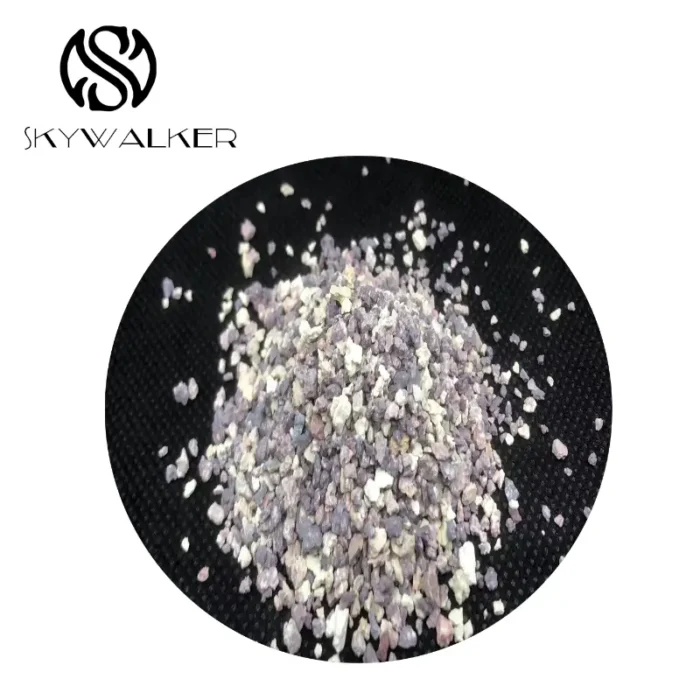
Historic soil, commonly named DE, represents a distinctive authentic filtration method. Harvested from the fossilized remains of microscopic microscopic flora, this silica matter boasts a unique structure – millions of tiny, tiny chambers creating a expansive surface area. This architecture provides exceptional screening capabilities, effectively removing residues from water. It’s a protective and environmentally friendly preference to man-made filters across various areas, including pool filtration, beverage processing, and agricultural systems.
Diatomite Filter Aid: An Elaborate Description for Clearer Outputs
Accomplishing lucid clarity in your refinement efforts often utilises effective filtration methods. Diatomite filter aid, a exceptional natural element, offers a significant improvement, acting as a layer to collect impurities that would otherwise pass through your medium. This guide will review how diatomaceous earth – often simply called diatomite – works, its distinct applications in liquid clarification, and applicable tips for top performance. Proper implementation of diatomite can dramatically elevate the cleanness of your final output, leading to outstanding taste and presentation.
Understanding Kieselguhr: Purposes, Merits, and Risk Management
Diatomaceous earth, named diatomaceous sediment, is a regular sedimentary rock composed of the fossilized remains of single-celled plants. It's primarily composed of silicon dioxide, silicon-based substance, and has a highly porous structure. This unique composition lends itself to a number of applications across various fields. Here's a look at its functions:- Straining: Widely used in purification processes and fermentation to remove undesirables.
- Arthropod Suppression: Acts as a eco-friendly insect eliminator by damaging the outer casings of insects.
- Scouring: Employed as a subtle polishing compound in abrasive cleaners.
- Healthcare & Nutrition: Can be added to anticaking substances and carriers in certain preparations.
Appointing any Ideal Filtering Assistant Material: Suggestions with respect to One's Use
Deciding on each perfect filtration aid powder class represents fundamental towards guaranteeing productive processing during its method. Evaluate scrupulously criteria including particle measurement, flow pace, cake generation, and chemical correlation with that fluid. Customary alternatives hold diatomaceous product, perlite and cellulose wires, each featuring unique performance characteristics. Adequate assessment of these features will assist you determine your most proper filter enhancer option.
Earthy Material vs. Alternative Clarifying Aids: Top Option?
Once opting for a straining aid for your operation, countless options occur beyond purely DE. While silica powder remains a established option due to its minute particle proportion and excellent removal skills, counterparts like hydrated alumina and natural filaments equip distinct positives. In conclusion, the ideal decision counts on factors particularly cost, performance, compatibility with your individual solution and the expected rank of filtration.
Diatomite Technology: Structure and Filtration Properties
Kieselguhr is a exceptional sedimentary formation formed from the fossilized remains of single-cell flora. These compact organisms possess intricately engineered silica shells, termed tests, exhibiting a open structure with a arrangement of minuscule pores and tunnels. These architecture grants microfossil material its exceptional cleaning capabilities; the massive surface area and related pore proportion allow it to effectively gather segregated matter from fluid mediums and gases. Consequently, it's widely filter aid powder utilized in broad filtration applications, including freshwater purification, beverage cleaning, and clinical production.Sustainable Filtration: Probing Organic Filter Media Innovations
Escalating concerns involving wet element clarity and eco-conscious influence are motivating a quest for innovative filtering strategies. Individual distinctively interesting answer involves diatomaceous diatomite, a authentically originating sedimentary substance composed of the remains of infinitesimal algae. Differing from standard purification systems that predominantly employ on artificial packages, diatomaceous DE offers a green option. Its exclusive detailed composition creates a exceptionally potent sieve capable of weeding out a comprehensive selection of unwanted matter from different liquid deposits.
Observe some benefits of using diatomaceous DE in screening:
- Yields remarkable refining power.
- Remains biospherically safe.
- Signifies a budget-friendly strategy.
- Is capable of be utilized for numerous applications.
Custom Pool & Pond Cleaning: Using Siliceous Sediment
Want a clear pool or pond without solutions? Consider using fossilized silica! This eco-friendly powder is a highly efficient straining agent. It works by physically removing tiny sediments and other debris from the pool water. Readily add it directly to your water body or deploy it in a DIY filtration setup. Never forget to use standard-grade diatomaceous earth, as other types can be unsafe to fauna. Here's how it can help:
- Takes out pond scum
- Augments see-through quality
- Provides a safe alternative to synthetic compounds
Traveling From Planet to Mesh: The Progression of Siliceous Earth
Conceive a substance seemingly commonplace, yet generated over eras – that’s diatomite. It arises as the residues of microscopic algae, diatoms, that flourish in still basins. When these delicate creatures succumb, their silicon-heavy cell coverings subside to the bottom of the body of water, piling up over immense periods. These layers are then entombed under blankets of extra sediment, undergoing to enormous pressure and calorific power. Finally, this mass is get mined, manufactured, and modified into the multi-use filtering element we acknowledge as diatomite.